
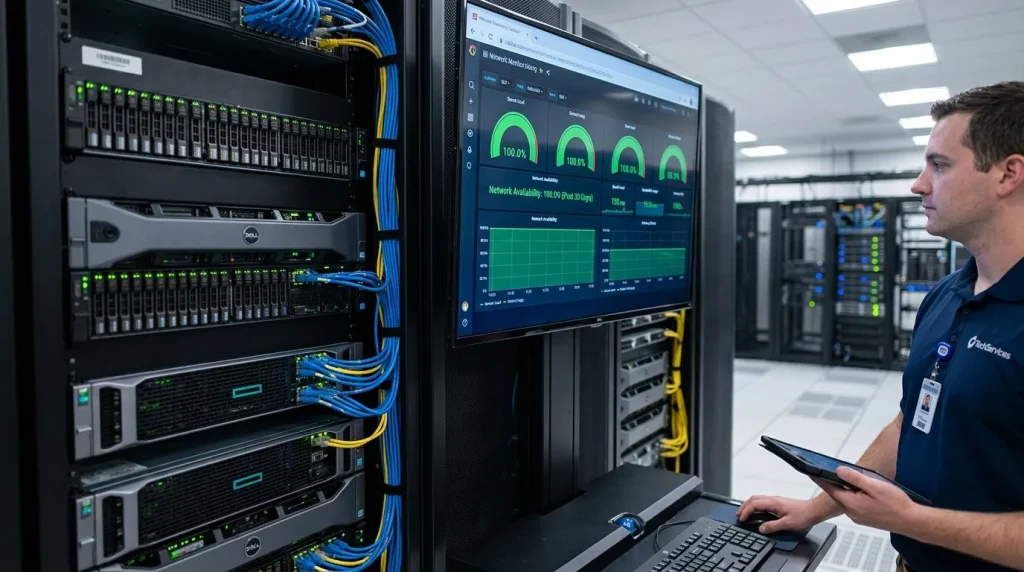
Every second your website remains inaccessible, you lose potential readers, customers, and credibility. Whether you run a bustling news portal in Dhaka or a growing e-commerce store serving all of Bangladesh, your website must remain available around the clock. This brings us to a critical concept you must understand before launching your digital presence: What Is Uptime in Web Hosting?
Simply put, uptime represents the amount of time your website is online, accessible, and fully functional for your visitors. It serves as the ultimate measure of a hosting provider’s reliability. When your server goes down, your business effectively closes its doors to the world. For Bangladeshi businesses, bloggers, and startups, understanding and securing high uptime is the foundation of digital success.
In this comprehensive guide, we will break down exactly what uptime means, why it directly impacts your bottom line, and how to ensure your website stays online. You will walk away with actionable insights to choose the perfect hosting solution for your specific needs.
What Is Uptime in Web Hosting?
What Is Uptime in Web Hosting? It is the metric used to calculate the uninterrupted time a hosting server stays operational and connected to the internet. We usually express this metric as a percentage. For example, a 99.9% uptime means your website is almost always available to anyone trying to visit it.
Conversely, downtime is the period when your website is completely inaccessible. This could happen due to hardware failures, software crashes, or scheduled maintenance.
To understand uptime fully, you need to grasp a few related technical terms:
- Server latency: The time it takes for a server to receive and process a request from a user’s browser. Low latency means faster load times.
- Bandwidth: The maximum amount of data that can transfer between your website and your users over a specific period.
- DNS (Domain Name System): The system that translates your domain name into a server IP address. If your DNS fails, users cannot reach your site, effectively causing downtime.
- BDIX hosting: A specialized hosting infrastructure connected to the Bangladesh Internet Exchange. It provides extremely low latency and high speeds for local visitors because the data does not have to travel through international routes.
For a local startup or an entrepreneur using UDDOKTA Ecommerce Hosting, understanding these terms helps you build a solid technical foundation. A reliable server ensures that when a customer types your web address, the server responds instantly.
Why Is Uptime Important?

High uptime is not just a technical requirement; it is a fundamental business necessity. For businesses operating in Bangladesh, maintaining a continuous online presence drives growth, trust, and visibility.
Protects Your Revenue
If you run an online store, downtime directly equals lost money. When a customer tries to buy a product but the site fails to load, they will simply go to a competitor. Even a few minutes of downtime during a major sale or holiday campaign can result in thousands of taka in lost revenue. This makes choosing a reliable platform like Corporate Web Hosting crucial for business continuity.
Builds Customer Trust
People expect websites to work instantly. When visitors encounter an error page, they question your brand’s professionalism. Frequent outages destroy consumer confidence. A reliable website proves that your business is stable and dependable. If you manage a news outlet on Newsportal Hosting, readers rely on you for real-time updates. If your site is down when major news breaks, you lose your audience’s trust permanently.
Boosts SEO Rankings
Search engines like Google constantly crawl your website. If their bots try to index your pages and find the server down, they will record the failure. Repeated downtime signals to search engines that your site provides a poor user experience. Consequently, they will drop your rankings. According to experts at Google Search Central, maintaining a consistently accessible site is vital for maintaining your search visibility.
Maximizes Marketing ROI
You spend time and money driving traffic to your site through social media, email campaigns, and paid ads. If that traffic lands on a broken page, you completely waste your marketing budget. High uptime ensures every click you earn has the chance to convert into a meaningful action.
How Is Uptime Measured?
We measure uptime in percentages, usually calculating it over a month or a year. You will frequently see hosting providers advertising “nines.”
Here is exactly what those percentages mean in terms of actual downtime per month:
- 99% uptime = 7 hours and 18 minutes of downtime per month
- 99.9% uptime (“three nines”) = 43 minutes and 49 seconds of downtime per month
- 99.99% uptime (“four nines”) = 4 minutes and 22 seconds of downtime per month
- 99.999% uptime (“five nines”) = 26 seconds of downtime per month
For a student running a personal blog on Student Budget Hosting, a 99.9% uptime is generally sufficient. However, an enterprise handling thousands of daily transactions might require the strict 99.99% standard offered by premium setups like BDIX VPS/RDP.
Factors Affecting Uptime

Several variables determine how consistently your website stays online. Understanding these factors helps you identify potential vulnerabilities in your hosting setup.
Server Hardware Quality
Servers are physical computers running in data centers. Like any machine, their components can fail. High-quality hosting providers use enterprise-grade hardware with built-in redundancy. This means if one component fails, a backup immediately takes over, preventing your site from going down.
Network Infrastructure and BDIX
A server needs a stable connection to the broader internet. Network outages at the data center level will pull your site offline. For Bangladeshi websites targeting local audiences, a robust BDIX Shared Hosting environment minimizes international routing issues, ensuring a faster, more stable connection for domestic users.
Security and Cyber Attacks
Malicious actors often target websites with Distributed Denial of Service (DDoS) attacks. These attacks flood your server with fake traffic, overwhelming its bandwidth and forcing it offline. Strong security measures, including properly configured SSL certificates and proactive firewalls, help block these threats. Organizations like Cloudflare provide essential services that mitigate these exact types of attacks.
Software Configuration and Maintenance
Servers require operating systems, control panels, and databases to function. Outdated software can crash or create security loopholes. Reliable hosts perform regular maintenance and updates during off-peak hours to keep the environment stable without disrupting your daily traffic. If you use CMS platforms like WordPress, you can consult WordPress.org for best practices on keeping your software optimized and light to prevent server strain.
How to Choose a Hosting Provider with High Uptime

Selecting the right hosting partner dictates the future stability of your website. Here is a practical guide to making the right choice for your Bangladeshi project.
Check the Uptime Guarantee
Always look for a clear, documented uptime guarantee of at least 99.9%. Read their Service Level Agreement (SLA) carefully. A strong SLA will offer account credits or refunds if the provider fails to meet their promised uptime percentage.
Review Server Locations
The physical location of your server impacts both speed and reliability. If your audience is entirely in Bangladesh, utilizing Singapore Web Hosting provides excellent regional connectivity. Alternatively, you might target an international or European audience, making German Web Hosting or German Premium Hosting the smarter choice for optimal performance and stability in those regions.
Evaluate Customer Support
When downtime strikes, you need immediate help. Test the provider’s support channels before buying. They should offer 24/7 technical support via live chat or phone. A skilled support team can resolve a server glitch in minutes rather than hours.
Consider Scalability
As your site grows, it will consume more resources. A basic shared plan might handle 100 visitors a day perfectly but crash when 10,000 arrive. Ensure your host allows you to seamlessly upgrade to higher tiers, like a BDIX Reseller Hosting or dedicated server, without causing extended downtime during the migration.
Tools to Monitor Uptime
You should never rely solely on your hosting provider’s word regarding server availability. Independent monitoring tools keep an objective eye on your website and alert you the second it goes offline.
UptimeRobot
This is a highly popular, beginner-friendly tool that pings your website every five minutes for free. If your site stops responding, UptimeRobot immediately sends you an email or mobile notification.
Pingdom
Pingdom offers detailed performance tracking. It monitors your uptime from multiple global locations, ensuring your site is accessible everywhere. It also provides insights into server latency and page load speeds.
StatusCake
StatusCake provides thorough monitoring services, including page speed tracking and SSL certificate monitoring. It alerts you before your SSL expires, preventing browsers from blocking access to your site—a common but preventable cause of perceived downtime.
Common Uptime Guarantees and What They Mean
When shopping for hosting, you will see “uptime guarantees” heavily advertised. But what happens when the host breaks that promise?
An uptime guarantee is a contractual commitment embedded in the provider’s SLA. If the provider promises 99.9% uptime but your site goes down for five hours in a month, they have breached the contract.
In these cases, reputable providers will issue credits to your hosting account, often covering a percentage of your monthly fee. However, it is vital to know that these guarantees almost always exclude scheduled maintenance, issues caused by your own coding errors, and extreme force majeure events (like natural disasters).
Always read the fine print. A guarantee is only as good as the compensation it offers and the transparency of the host’s reporting systems.
Conclusion
Understanding What Is Uptime in Web Hosting is the first step toward building a resilient, successful online presence. For businesses in Bangladesh, consistent availability translates directly into customer trust, steady revenue, and strong search engine rankings. By familiarizing yourself with technical concepts like BDIX, bandwidth, and latency, and by leveraging robust services tailored to your specific needs, you can ensure your digital doors remain open 24/7. Monitor your site proactively, hold your provider to their guarantees, and choose a host that prioritizes your website’s stability. Start your website today with reliable hosting.
Frequently Asked Questions (FAQ)
1. What is a good uptime percentage for a new website?
A standard, reliable uptime percentage is 99.9%. This allows for about 43 minutes of downtime per month, which is acceptable for most new blogs and small businesses.
2. Can any web host provide 100% uptime?
No hosting provider can guarantee true 100% uptime over the long term. Hardware needs maintenance, and unexpected network issues happen. However, premium cloud setups can get extremely close to 100%.
3. Does website maintenance count as downtime?
Yes, technically it is downtime since users cannot access the site. However, hosting providers usually exclude scheduled maintenance from their official uptime guarantee calculations.
4. How does BDIX hosting improve uptime for Bangladeshi users?
BDIX hosting routes local traffic through the Bangladesh Internet Exchange rather than international cables. This direct route reduces the risk of global network outages affecting your local visitors, creating a more stable connection.
5. What is the difference between uptime and page speed?
Uptime measures whether your website is online and accessible. Page speed measures how fast your website’s content loads once a user connects to it. Both are crucial for user experience.
6. Will my website go down if my bandwidth limit is exceeded?
Yes. If you are on a limited shared hosting plan and receive a massive surge in traffic, you may exhaust your bandwidth. Once exhausted, the host may temporarily suspend your site until the next billing cycle.
7. How do DDoS attacks affect my uptime?
DDoS attacks flood your server with fake traffic. This overwhelms the server’s resources, causing it to crash and resulting in downtime for your legitimate visitors.
8. Do DNS issues cause downtime?
Absolutely. The ICANN coordinated DNS system directs browsers to your server. If your DNS configuration is incorrect or the DNS server fails, visitors cannot reach your site, resulting in total downtime.
9. How do I claim compensation for low uptime?
If your monitored uptime falls below the host’s guaranteed percentage, you must submit a support ticket to their billing department with your monitoring logs (from tools like Pingdom or UptimeRobot) to request account credit.
10. Why is my site down but my hosting provider says the server is up?
This often happens due to a coding error on your website, a broken plugin, an expired domain name, or a local ISP caching issue. The server itself is running, but the application (your website) is failing to load.