
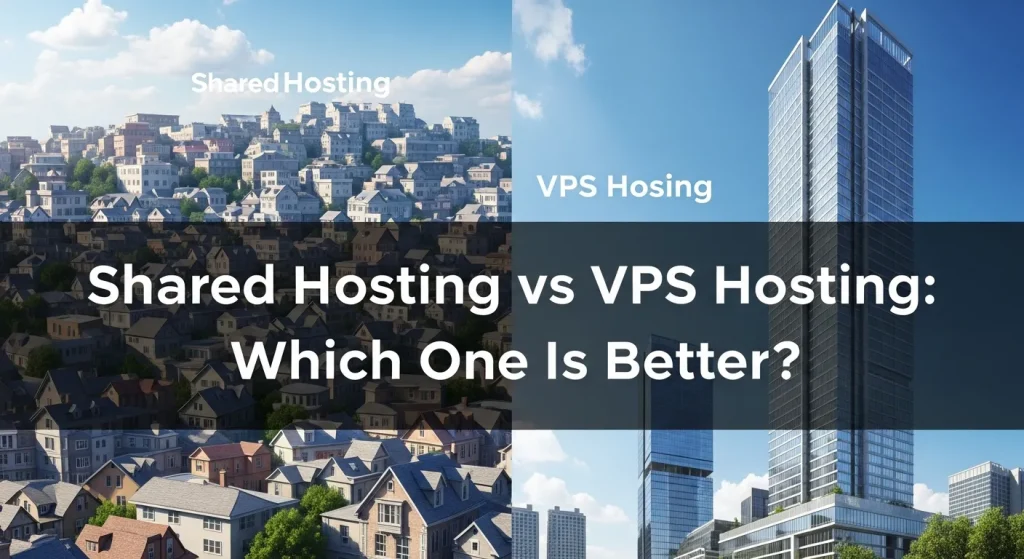
Launching a new website or upgrading an existing one comes with a critical decision: choosing the right foundation for your online presence. If you find yourself stuck debating shared hosting vs VPS hosting, you are not alone. Thousands of Bangladeshi businesses, bloggers, and ecommerce store owners face this exact crossroad every day. Making the wrong choice can lead to slow loading speeds, poor search engine rankings, and a frustrating experience for your visitors.
In this comprehensive guide, we will break down exactly how these two popular web hosting options work. You will learn the key differences, understand essential technical terms, and discover which solution perfectly matches your budget and performance needs. Start your website today with reliable hosting that supports your goals.
Understanding Web Hosting Basics
Before diving into the debate between shared and VPS hosting, it helps to understand what web hosting actually does. When you build a website, all your text, images, and databases need a physical place to live. A web hosting company provides you with space on a secure physical server. This server connects to the internet, allowing people around the world to type your domain name and view your website.
Think of web hosting like renting real estate for your business. The type of hosting you choose determines how much space you get, how much control you have over the property, and how many neighbors you have to deal with.
What is Shared Hosting?
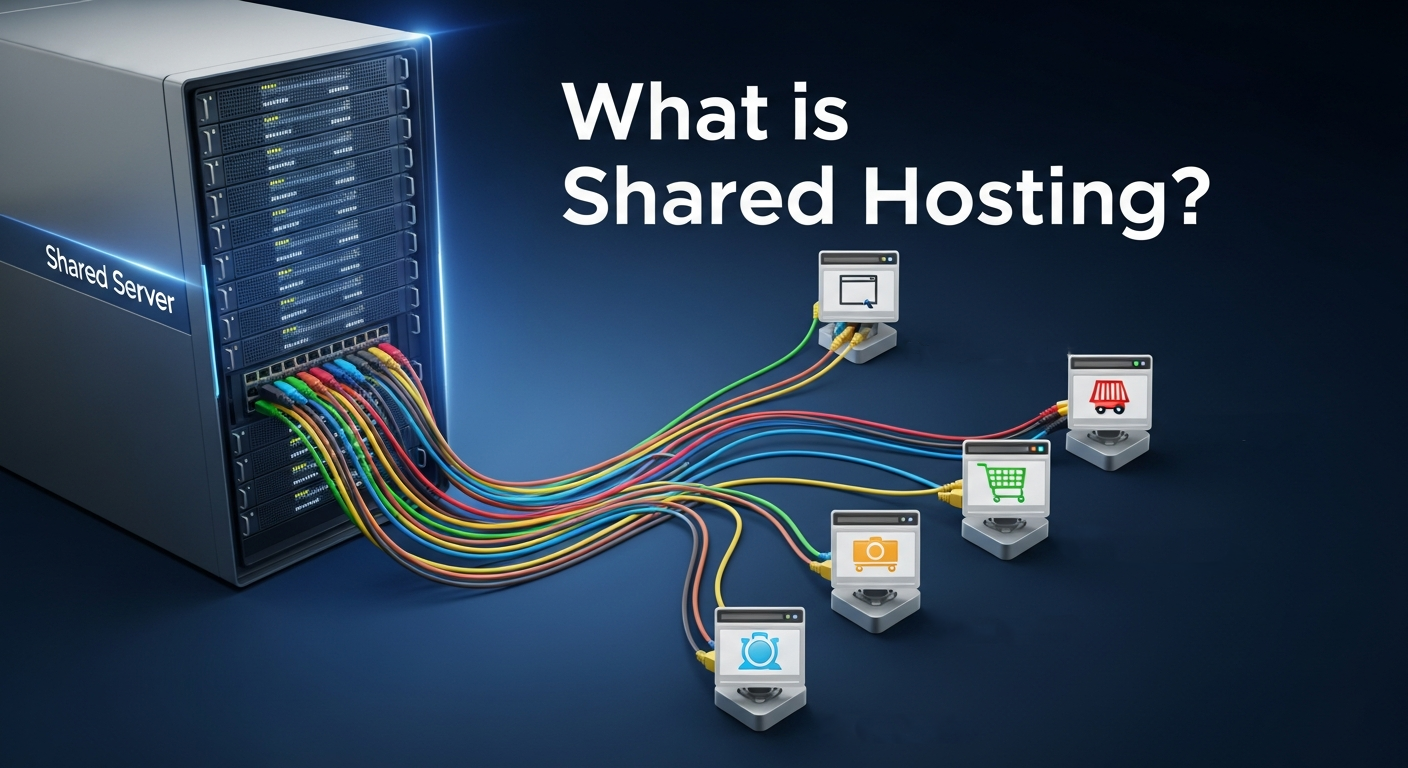
Shared hosting is exactly what it sounds like. Your website lives on a single physical server alongside hundreds, or even thousands, of other websites. All the websites on this server share the same exact resources. This includes the server’s memory, processing power, and storage space.
How Shared Hosting Works
Imagine living in a large apartment building. You have your own private apartment (your website), but you share the building’s resources with everyone else. You all use the same water supply, electricity grid, and elevators. If one tenant throws a massive party and uses all the hot water, your shower might run cold.
Similarly, if another website on your shared server receives a sudden spike in traffic, your website might load slower because the server’s resources are being drained.
Pros of Shared Hosting
- Highly Affordable: Because hosting companies place many users on one server, the costs are split. This makes shared hosting incredibly cheap.
- Beginner-Friendly: You do not need technical skills to manage a shared server. The hosting provider handles all server maintenance, updates, and technical configurations.
- Built-in Tools: Most shared plans come with an easy-to-use control panel (like cPanel) and one-click installers for platforms like WordPress.
Cons of Shared Hosting
- Limited Performance: You share resources, meaning high traffic can slow down your site.
- Security Risks: If another site on your server gets hacked, it could potentially expose vulnerabilities on the shared server.
- Lack of Control: You cannot customize the server environment or install specialized software.
Who Should Use Shared Hosting in Bangladesh?
Shared hosting is the perfect starting point for low-traffic websites. If you are launching a personal blog, a small portfolio, or a local business website that simply displays your contact information, Student Budget Hosting or standard shared plans provide excellent value. It offers an easy, cost-effective way to get online without needing advanced technical knowledge.
What is VPS Hosting?
VPS stands for Virtual Private Server. While your website still shares a physical server with other users, the hosting company uses virtualization technology to divide that server into multiple separate, private environments.
How VPS Hosting Works
If shared hosting is an apartment building, VPS hosting is a townhouse. You still share the same piece of land (the physical server), but you have your own dedicated space. You do not share your water or electricity. In a VPS environment, you get a dedicated, guaranteed portion of the server’s resources (RAM, CPU, and disk space). No matter what other websites on the physical server do, your resources remain exclusively yours.
Pros of VPS Hosting
- Reliable Performance: Since your resources are isolated, traffic spikes on other websites will not affect your load times.
- Better Security: Your server environment is separated from others, offering stronger protection against malicious attacks.
- Full Root Access: You have complete control over your server environment, allowing you to install custom software and configure advanced settings.
- Easy Scalability: You can easily upgrade your resources as your business grows without migrating to a new physical server.
Cons of VPS Hosting
- Higher Cost: VPS hosting costs more than shared hosting due to the dedicated resources.
- Technical Knowledge Required: Unmanaged VPS plans require you to handle server setup, maintenance, and security. However, managed VPS plans are available where the host does the heavy lifting.
Who Should Use VPS Hosting in Bangladesh?
VPS hosting is essential for websites that require high performance, strong security, and custom configurations. Growing ecommerce stores, high-traffic news portals, and medium-to-large corporate websites should opt for a VPS. If your online store processes transactions daily, a reliable BDIX VPS/RDP ensures your checkout process remains fast and secure.
Shared Hosting vs VPS Hosting: The Ultimate Comparison

To help you make an informed decision, let us compare these two hosting types across five critical categories.
1. Performance and Speed
Website speed directly impacts your bottom line. According to guidelines provided by Google Search Central, page speed is a significant ranking factor for search engines. Slow websites frustrate users and lead to higher bounce rates.
Shared hosting limits your performance. Because you share processing power, your speed fluctuates based on what other users are doing.
VPS hosting guarantees your resources. You get dedicated processing power, ensuring your website consistently loads fast, even during peak traffic hours.
2. Security and Reliability
Security should never be an afterthought. On a shared server, a vulnerability in one website can occasionally compromise the entire server. While top-tier hosting providers implement strict security measures to prevent this, the shared environment inherently carries more risk.
VPS hosting offers a much higher level of security. Your files and databases are locked away in a private virtual container. You can set up custom firewalls and advanced security protocols to protect sensitive customer data.
3. Server Control and Customization
With shared hosting, the environment is strictly controlled by the provider. You get a standardized setup that works well for basic websites, but you cannot change the operating system or install server-side applications.
VPS hosting gives you root access. You function as the server administrator. If your application requires a specific version of PHP, a custom database engine, or unique caching software, you have the freedom to configure it exactly how you want.
4. Pricing and Value
Cost is a major factor for startups and small businesses in Bangladesh. Shared hosting requires a very low initial investment. It provides incredible value for anyone taking their first steps online.
VPS hosting requires a larger budget. However, for growing businesses, the return on investment is substantial. The extra cost pays for itself through faster loading times, improved search rankings, and higher conversion rates.
5. The Bangladesh Advantage (Local Hosting)
When targeting a local audience, server location matters immensely. This is where local solutions shine. For a Bangladeshi audience, utilizing BDIX Shared Hosting or a BDIX-connected VPS provides a massive speed advantage. Local servers ensure data travels a shorter distance, resulting in instant load times for local visitors compared to hosting your site on a server in the USA or Europe.
Essential Hosting Terms You Need to Know
Choosing web hosting can feel overwhelming due to the technical jargon. Here is a beginner-friendly breakdown of important terms you will encounter:
- BDIX Hosting: BDIX (Bangladesh Internet Exchange) is a peering network. Hosting connected to BDIX routes local internet traffic directly within Bangladesh rather than sending it overseas and back. This dramatically speeds up website loading times for local users.
- Bandwidth: This is the amount of data your website can transfer to visitors over a specific period (usually a month). Think of it like a highway. A wider highway (more bandwidth) allows more cars (visitors) to travel at once without causing a traffic jam.
- Uptime: This refers to the percentage of time your website is online and accessible. You should always look for a hosting provider that guarantees 99.9% uptime.
- Server Latency: Latency is the delay between a user clicking a link and the server responding. High latency makes your site feel sluggish. Using Singapore Web Hosting or local BDIX servers helps keep latency incredibly low for audiences in Bangladesh.
- SSL (Secure Sockets Layer): SSL encrypts the data passing between your website and your visitors, protecting sensitive information like passwords and credit card numbers. It changes your web address from “http” to “https”.
- DNS (Domain Name System): DNS acts like the phonebook of the internet. It translates human-friendly domain names (like yourwebsite.com) into IP addresses that computers use to find each other. Services like Cloudflare help manage DNS records to improve global speed and security.
How to Choose the Right Hosting in Bangladesh
Your ideal hosting plan depends entirely on your project’s goals. Let us look at a few common scenarios.
For Personal Blogs and Portfolios
If you are launching a personal blog about travel, food, or photography, you do not need massive server power. Your traffic will likely grow steadily over time.
The Best Choice: Start with a reliable shared hosting plan. It is cost-effective and provides everything you need to build your brand.
For Growing Ecommerce Sites
Running an online store in Bangladesh requires speed and security. If an F-commerce (Facebook commerce) page wants to transition to a full website, performance becomes critical. Shoppers will abandon their carts if pages load too slowly or if they doubt the site’s security.
The Best Choice: Look into UDDOKTA Ecommerce Hosting or a standard VPS. These provide the dedicated resources needed to process secure transactions smoothly.
For High-Traffic News Portals
News sites often experience sudden, massive traffic spikes when breaking news drops. A shared server will crash under this sudden load, making your content unavailable when it matters most.
The Best Choice: You need a high-performance solution like Newsportal Hosting running on a VPS. This ensures your site stays online and fast, regardless of how many people are reading the breaking news.
For Professional Agencies and IT Firms
If you run an agency that builds websites for multiple clients, managing separate shared plans becomes chaotic.
The Best Choice: Look at BDIX Reseller Hosting or a high-end VPS. Alternatively, premium solutions like German Premium Hosting or standard German Web Hosting provide incredible stability for enterprise-level clients demanding top-tier European server standards.
Common Hosting Mistakes to Avoid
When shopping for hosting, avoid these frequent pitfalls:
- Buying based only on price: Cheaper is not always better. The absolute cheapest shared hosting often results in terrible uptime and nonexistent customer support. Invest in Corporate Web Hosting if you are running a serious business.
- Ignoring server location: If 90% of your customers are in Dhaka, do not host your website in Los Angeles. High server latency will ruin the user experience.
- Forgetting to check customer support: Website emergencies do not happen on a 9-to-5 schedule. Ensure your provider offers 24/7 technical support.
- Not considering scalability: Can you easily upgrade your plan when your traffic doubles? Choose a provider that allows seamless transitions from shared to VPS environments.
Conclusion
Choosing between shared hosting vs VPS hosting is a defining moment for your online journey. The right choice depends entirely on your current needs, technical expertise, and budget.
Shared hosting remains the undisputed champion for beginners, small blogs, and local businesses taking their first steps online. It provides a simple, highly affordable way to get your website up and running without breaking the bank. However, you must be prepared to compromise on peak performance and server control.
On the other hand, VPS hosting is the ultimate solution for growing businesses, serious ecommerce stores, and high-traffic portals in Bangladesh. It delivers the speed, security, and dedicated power required to run a professional, high-performing website. While it requires a slightly larger investment, the reliable performance and scalability make it worth every penny.
Evaluate your current traffic, project your future growth, and consider your budget. If you are starting fresh, shared hosting is a safe bet. If your website is outgrowing its current limits and feeling sluggish, it is time to step up to a VPS.
Start your website today with reliable hosting. Take the leap, choose the plan that aligns with your business goals, and build a digital presence that stands out.
Frequently Asked Questions (FAQ)
1. Can I upgrade from shared hosting to VPS hosting later?
Yes, absolutely. Most reputable hosting providers make this transition seamless. When your shared hosting plan can no longer handle your traffic, your provider can migrate your files and databases to a VPS environment.
2. Is VPS hosting faster than shared hosting?
In almost all cases, yes. Because VPS hosting provides dedicated RAM and CPU power, your website processing speed is faster and more consistent, avoiding the slowdowns common on crowded shared servers.
3. Do I need technical skills to use a VPS?
If you choose an “unmanaged” VPS, you will need command-line skills to configure the server. However, most providers offer “managed” VPS plans, where they handle the technical maintenance for you, making it as easy to use as shared hosting.
4. Why is BDIX hosting important for Bangladeshi websites?
BDIX hosting routes traffic locally through the Bangladesh Internet Exchange. This drastically reduces server latency, making your website load incredibly fast for local users compared to international servers.
5. How much bandwidth do I really need?
For a new website, a few gigabytes of bandwidth per month is usually sufficient. As you add more high-resolution images, videos, and daily visitors, your bandwidth needs will increase. A VPS gives you the flexibility to easily scale your bandwidth.
6. Does hosting affect my Google ranking?
Yes. Google prioritizes websites that load quickly and offer a secure, smooth user experience. Upgrading to a faster hosting solution can positively impact your SEO efforts.